Anyone looking at a new-build house today will soon come across the term E-level. But what does it actually mean? Is it simply a technical figure, or is it something you genuinely notice in everyday life?


From E30 to E20: nearly zero-energy new builds
The E-level indicates how energy-efficiently a home has been designed and built. This measure is used in Flanders for new builds and major renovations to assess a building’s energy performance. At Potrell, all our new-build houses meet at least the statutory E30 standard. In some developments, we go a step further and achieve E20. The lower the E-level, the more energy-efficient the house.
E30 is the current standard and provides a strong foundation: an energy-efficient home with low energy consumption thanks to good insulation and smart, sustainable technologies. E20 goes one step further, reducing the amount of energy your home requires and resulting in even greater living comfort.
For example, Potrell is developing new-build projects in Buggenhout and Roeselare with an E-level of 20. These energy-efficient homes use a well-considered combination of systems, such as underfloor heating on both floors powered by an energy-efficient heat pump. This is complemented by solar panels and a type D ventilation system. This system continuously supplies fresh air and extracts polluted air, while recovering heat from the extracted air so that less energy is lost.
“At Potrell, we exclusively build nearly zero-energy homes and, if required, we can reduce the E-level even further through energy-efficiency measures,” says sales adviser Xavier. “Some buyers specifically ask for this. Investing in energy-efficient measures is an investment in future-proof living. Our technical partners work closely with us to provide tailored solutions.”
New builds offering living comfort and control over your energy bills
A strong E-level makes a difference every day. Choosing a new build means choosing living comfort and greater control over your energy bills. Energy-efficiency requirements for buildings in Flanders are becoming increasingly stringent. Rising energy prices and stricter climate targets also play an important role. An energy-efficient home is better equipped to cope with these developments and protects you against unexpected costs in the future. You consume less energy, are less dependent on external factors and retain greater control over your energy bills.
That is precisely why Potrell looks beyond the figure itself. We help you understand what lies behind the E-level, so that you are not only buying an energy-efficient home, but also making a well-considered, future-focused choice.
E-level vs EPC: what is the difference?
The E-level is often confused with the EPC. The E-level indicates how energy-efficiently a home has been designed and built, while the EPC indicates how much energy your home consumes in practice and is expressed in kWh/(m² year).
Potrell builds energy-efficient new-build houses throughout Flanders
Potrell develops energy-efficient new-build houses throughout Flanders. From Ghent and Bruges to the coastal region, and from Willebroek to Oudenaarde: we develop projects in carefully selected locations where living comfort, accessibility and future-focused construction are key. This means you will not only find a home with a strong E-level at Potrell, but also a location that works for the long term.
Curious about our current offering? Discover our projects below
-
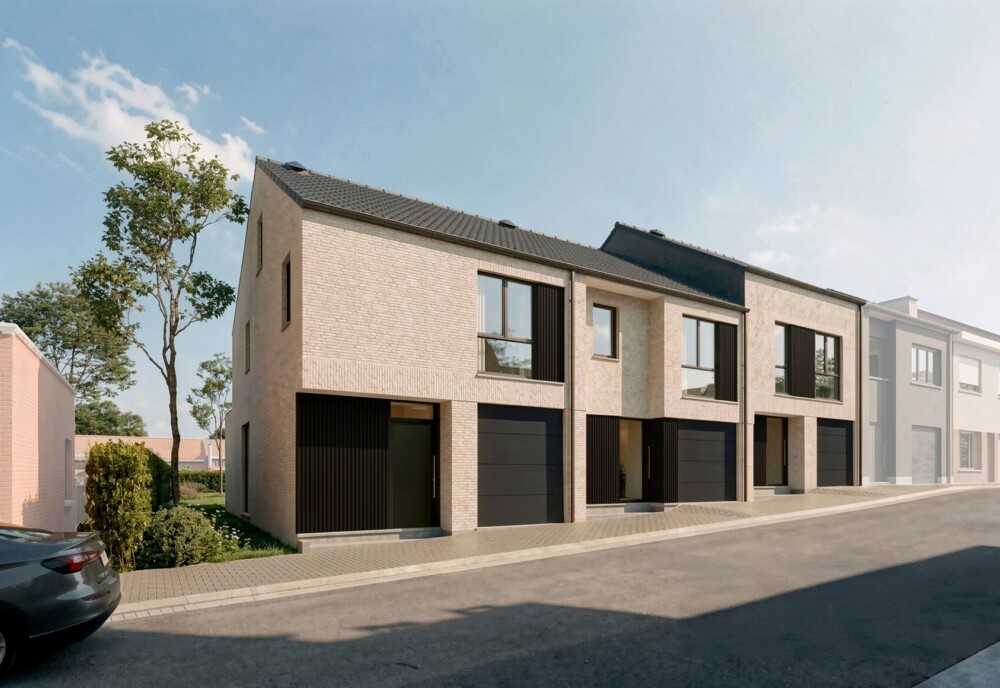
Denderleeuw. Th. de Bolsterstraat
Discover these modern new-build homes in a quiet residential area in Denderleeuw, with easy access to local amenities and the Dender River nearby. The homes feature 3 spacious bedrooms, an integrated garage and an adaptable attic space.
-
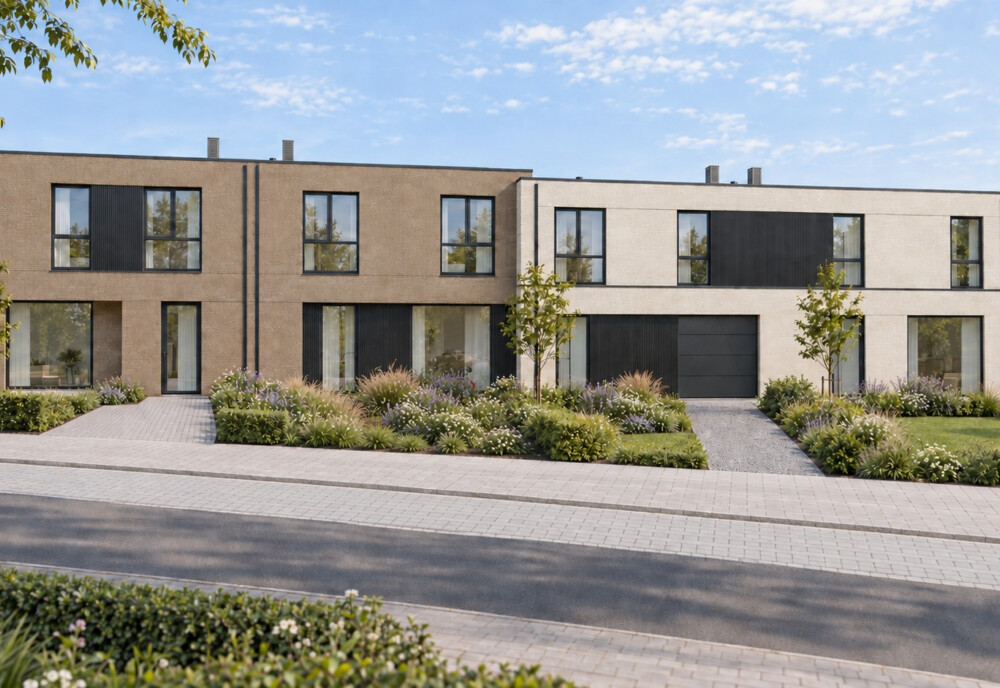
Haaltert. Pontweg
Discover this small-scale new-build development located on Pontweg in Haaltert, comprising four modern homes. The project includes two semi-detached and two terraced homes, each featuring a well-thought-out layout, three spacious bedrooms and all the comfort needed for the whole family.
-

Denderleeuw. Klaverstraat
Discover 6 stylish semi-detached homes in a quiet and pleasant setting in Denderleeuw, featuring 3 to 4 bedrooms and sunny gardens. Enjoy bright and spacious living areas, a private parking space and an energy-efficient home built to the latest standards.
-
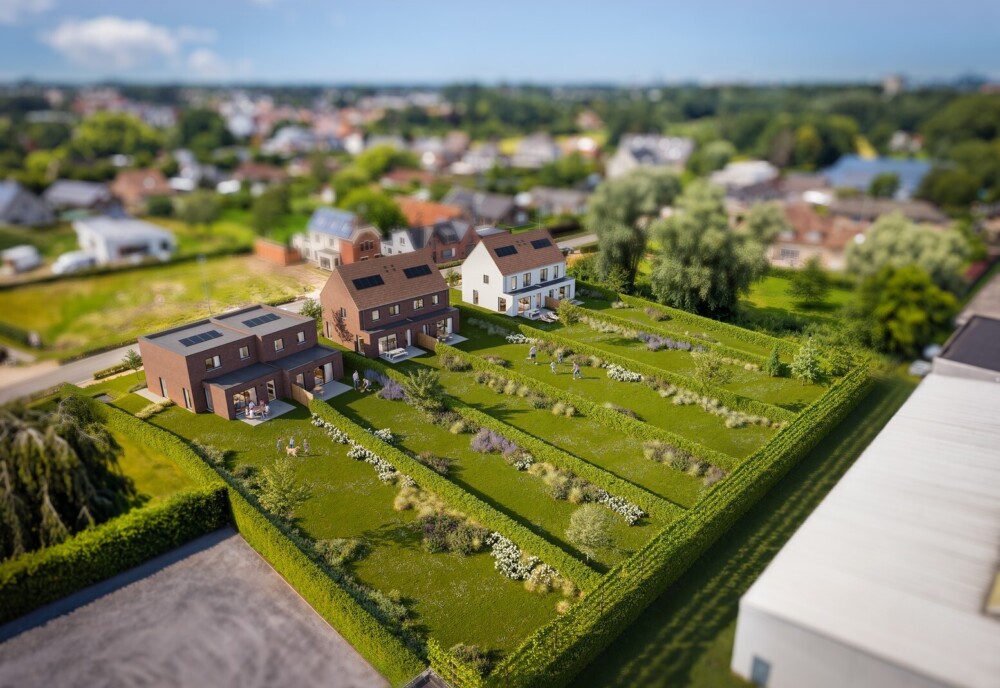
Merelbeke. Lembergsesteenweg
Discover these six modern semi-detached houses on Lembergsesteenweg in Merelbeke-Melle. With a varied range of houses offering 3 to 4 bedrooms, spacious plots and distinctive layouts, you are guaranteed to find a home that perfectly suits your housing needs.
-

Herzele. St.-Mauritsplein
Waking up to a view of the church tower in Ressegem? This stylish new-build project combines a rural setting with modern architecture and well-designed homes. Choose from semi-detached or terraced houses with three bedrooms, expandable to four, and enjoy every comfort in a peaceful setting.
-
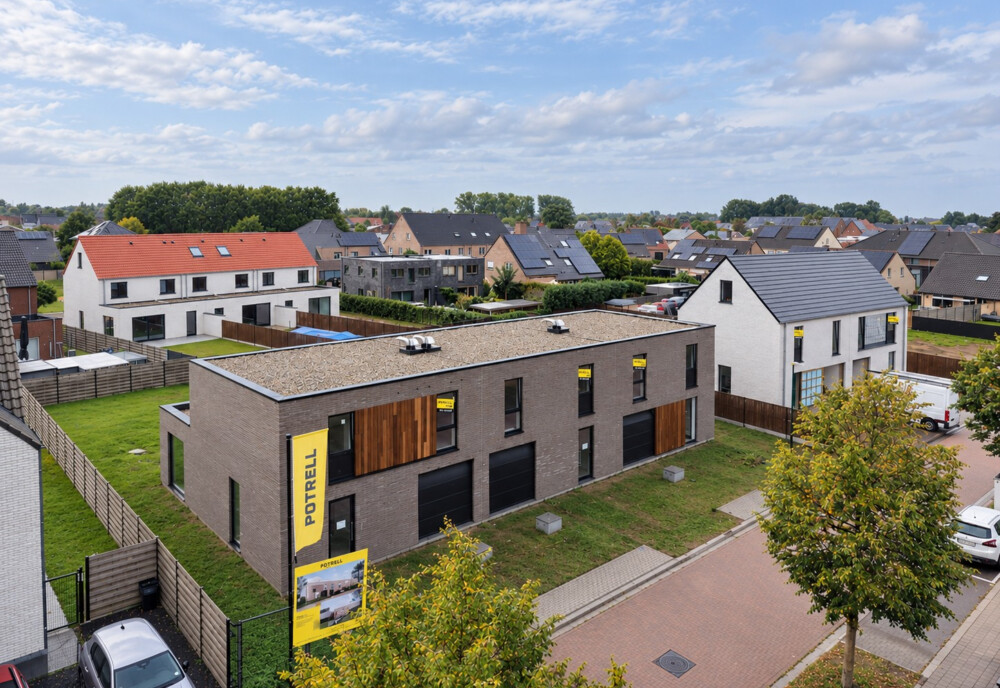
Evergem. Boutstraat
This small-scale residential project on the green edge of Ghent offers semi-detached and terraced BEN homes with an integrated garage, 3 to 4 bedrooms, easy access to Ghent and an energy-efficient E-level of 30 in a quiet, family-friendly setting.
-
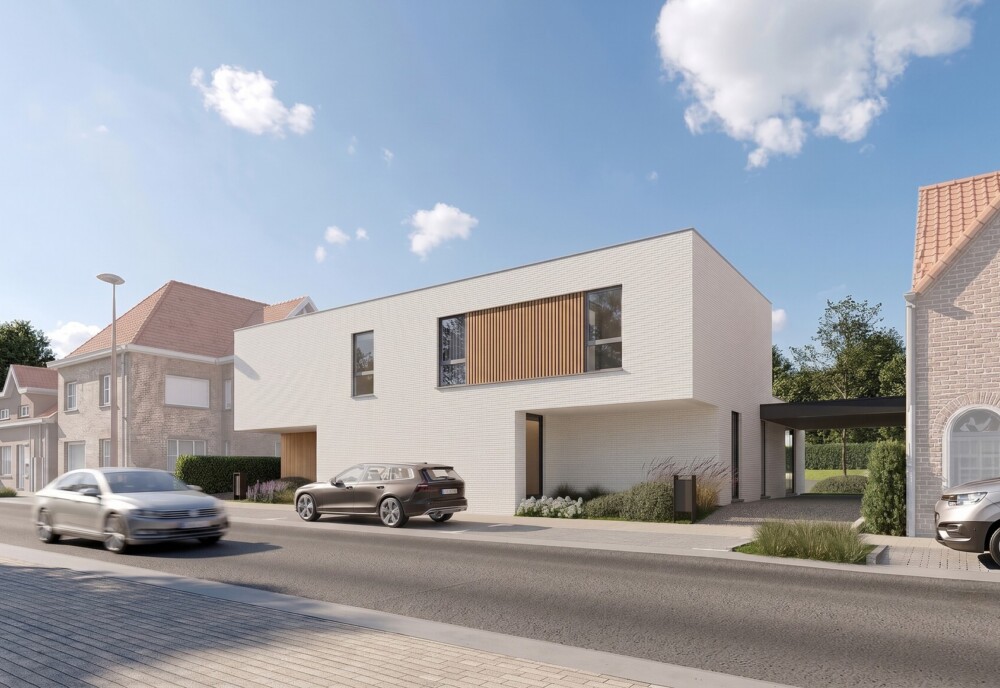
Merelbeke. Gaversesteenweg
Comfort meets flexibility in these two modern semi-detached houses in Merelbeke-Melle. Thanks to the ground-floor bedroom with an en-suite shower, three bedrooms on the first floor, and a well-designed layout across 167 m², these houses are ready for every stage of life.
-
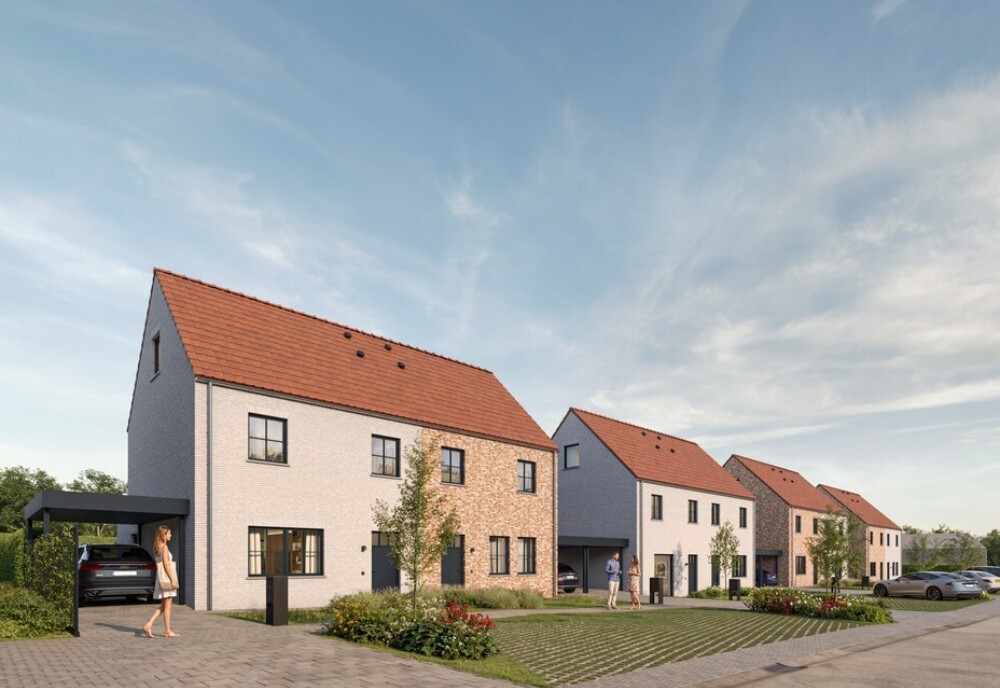
Wichelen. Drabstraat
Living in a green setting, close to the Scheldt Path? These 8 modern semi-detached houses combine space, comfort and excellent accessibility. With 3 bedrooms, a spacious attic floor and living areas of up to 160 m², they offer the ideal family home for today and tomorrow.
-
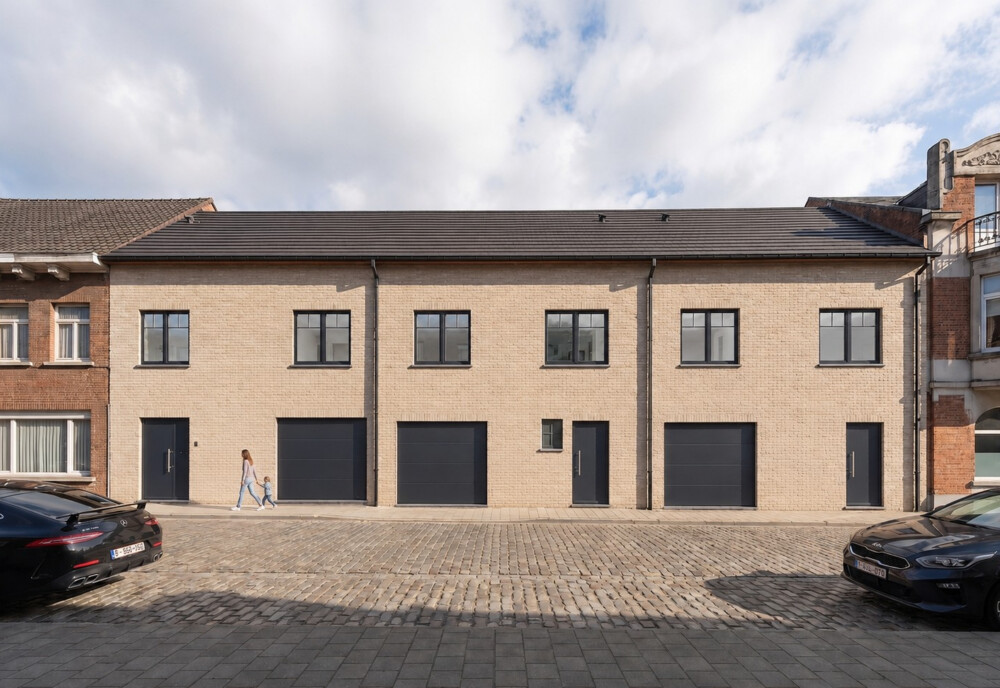
Denderleeuw. Guido Gezellestraat
Three modern terraced new-build houses in Guido Gezellestraat, designed with a focus on space and living comfort. Featuring an integrated garage, three bedrooms and a spacious attic that can be fitted out as an additional bedroom. The ideal family home in an easily accessible location.
-
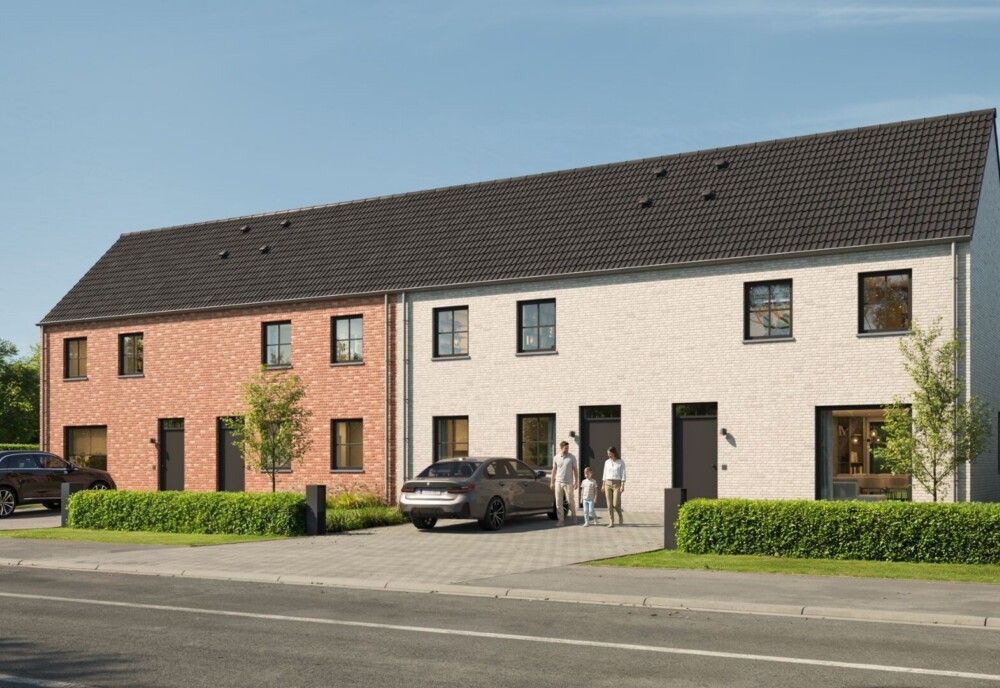
Opwijk. Steenweg
Discover this small-scale new-build project located along Steenweg 195 in Opwijk, consisting of 2 semi-detached and 2 detached houses. Thanks to its location, you benefit from easy accessibility and strong connections to the surrounding municipalities and main roads.
-

Wichelen. Doornweg
Discover this small-scale new-build project along Doornweg in Wichelen, where 6 semi-detached homes are being developed on the former football site. This development combines modern living comfort with a strategic location and a pleasant, green environment.
-

Gooik. Oude Heerbaan
Located in the rural setting of Gooik, this development combines contemporary architecture with peaceful, green surroundings and easy access to nearby cities. The energy-efficient homes offer spacious, light-filled living areas and can be finished to suit your personal taste.
-

Koolkerke. Brugse Steenweg
Discover this new-build project offering a varied selection of energy-efficient houses with 3 to 4 bedrooms in Bruges. Ideal for young families or investors!
-
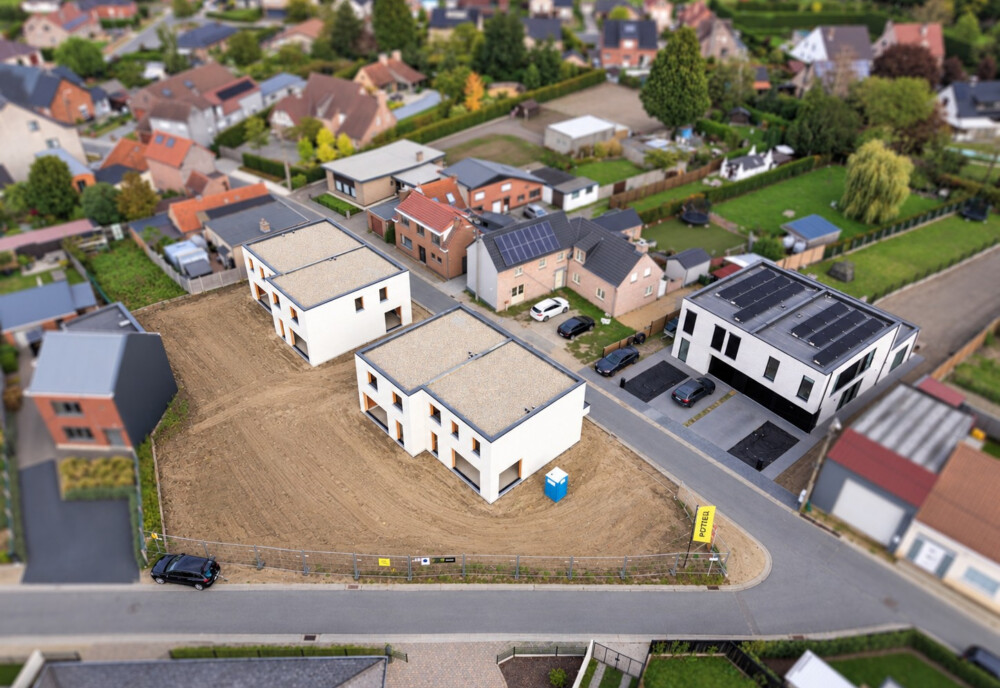
Berlare. Maaidonk
Discover these 4 modern semi-detached new-build houses in a rural and green environment in Uitbergen (Berlare).
-
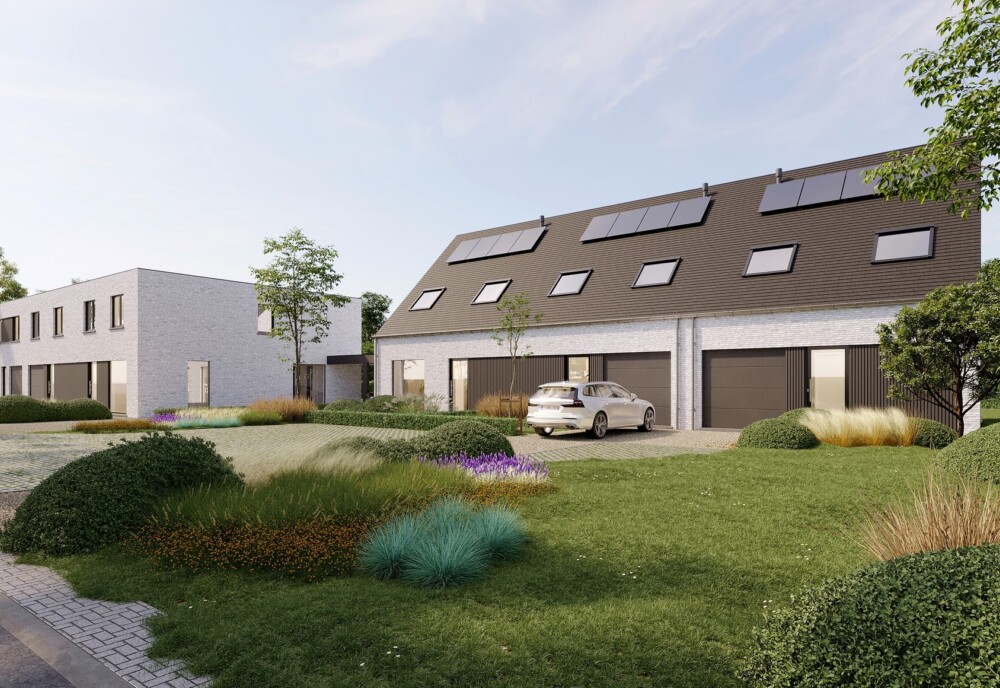
Lokeren. Oude Heerweg
Contemporary new-build houses with easy access in Lokeren. This location is an ideal base for those who want to combine accessibility with living comfort.
-
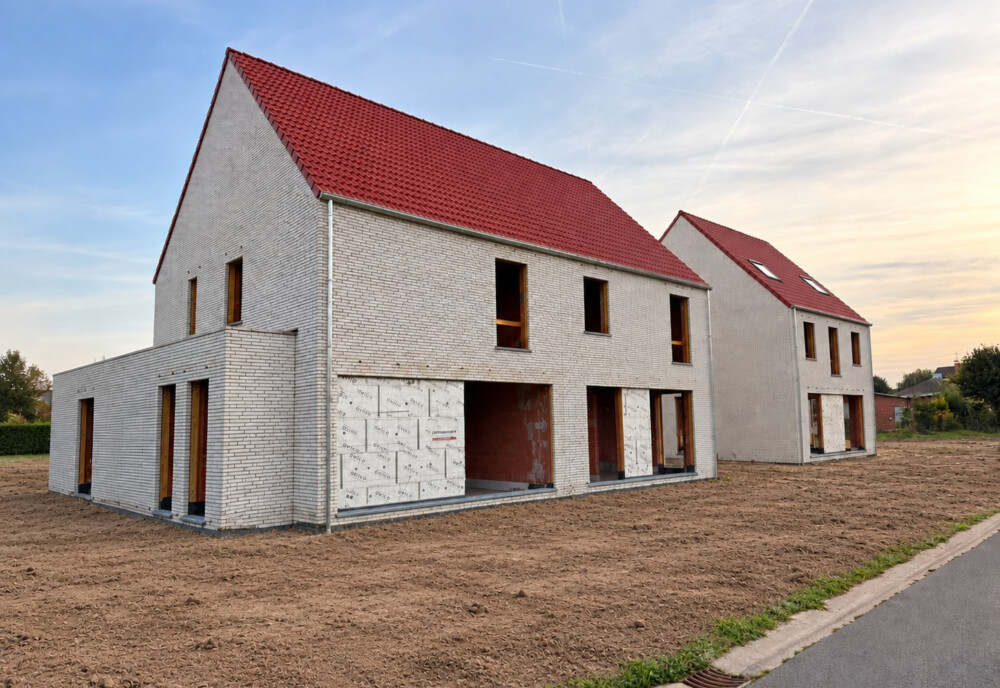
Berlare. Mosseveldstraat
5 stylish new-build houses in a prime rural location in Berlare. Equipped with 3 to 4 bedrooms and a sun-oriented garden.
-

Ninove. Geraardsbergsesteenweg
These newly built three-bedroom homes are located in a quiet residential area, just a short distance from the centre of Ninove.
-

Ninove. Geraardsbergsesteenweg
This villa is located in a quiet yet easily accessible area, just a stone’s throw from the centre of Ninove. It is sold wind- and watertight.
-

Sint-Denijs-Westrem. Hogeheerweg
All houses are equipped with the latest technologies, including a heat pump and underfloor heating. This allows them to easily achieve an E-level of 30.
-

Oosterzele. Meerstraat
Discover these four beautiful semi-detached new-build houses on Meerstraat in Oosterzele. Thanks to their excellent location, you benefit from easy access to shops, schools and key connecting roads. Ideal for comfortable family living.
-
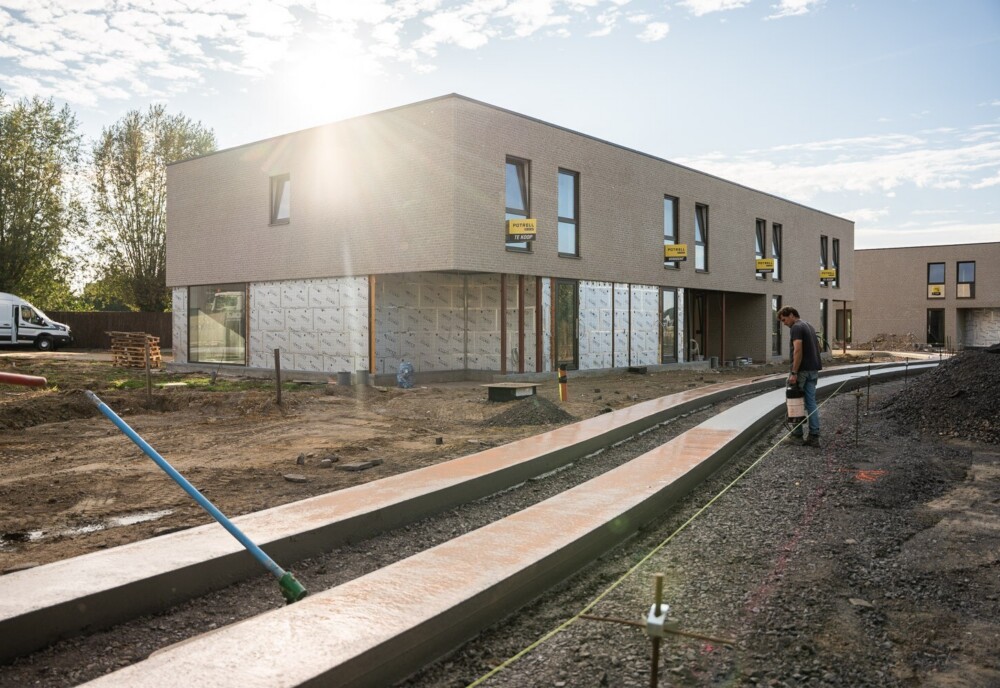
Oudenaarde. Robert De Preesterstraat
In a quiet side street in Oudenaarde, a modern residential project is taking shape, featuring 11 stylish houses on a low-traffic, private residential courtyard.
-
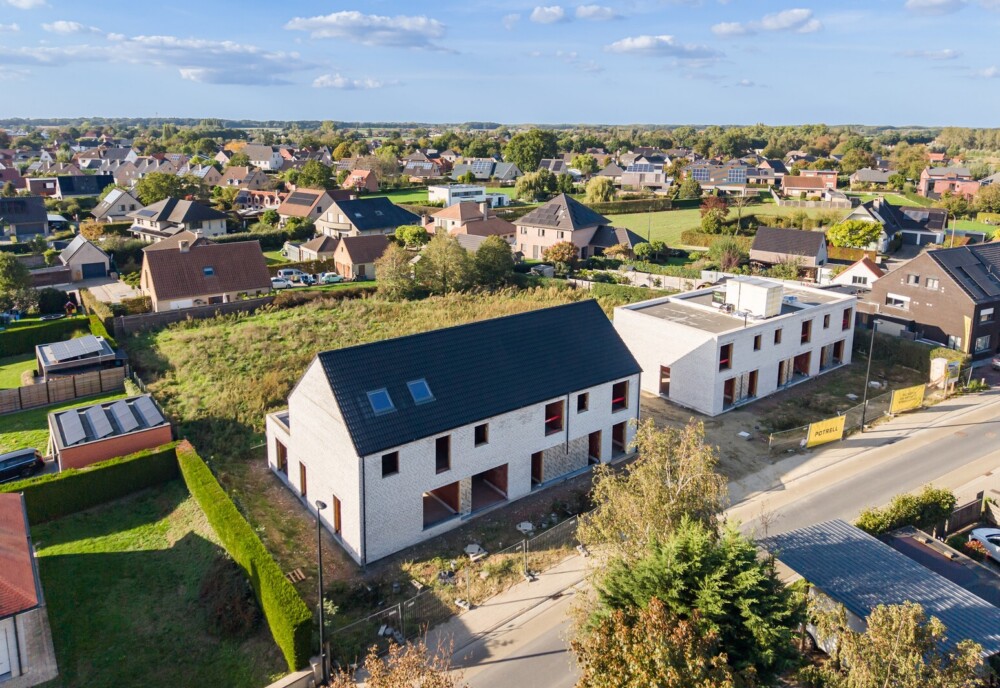
Knesselare. Maldegemseweg
Energy-efficient new-build homes at 6% VAT in a quiet, well-connected area of Knesselare, featuring west-facing and spacious garden plots. Practical layout with 3 to 4 bedrooms, optional indoor garage, and generous living space.
-
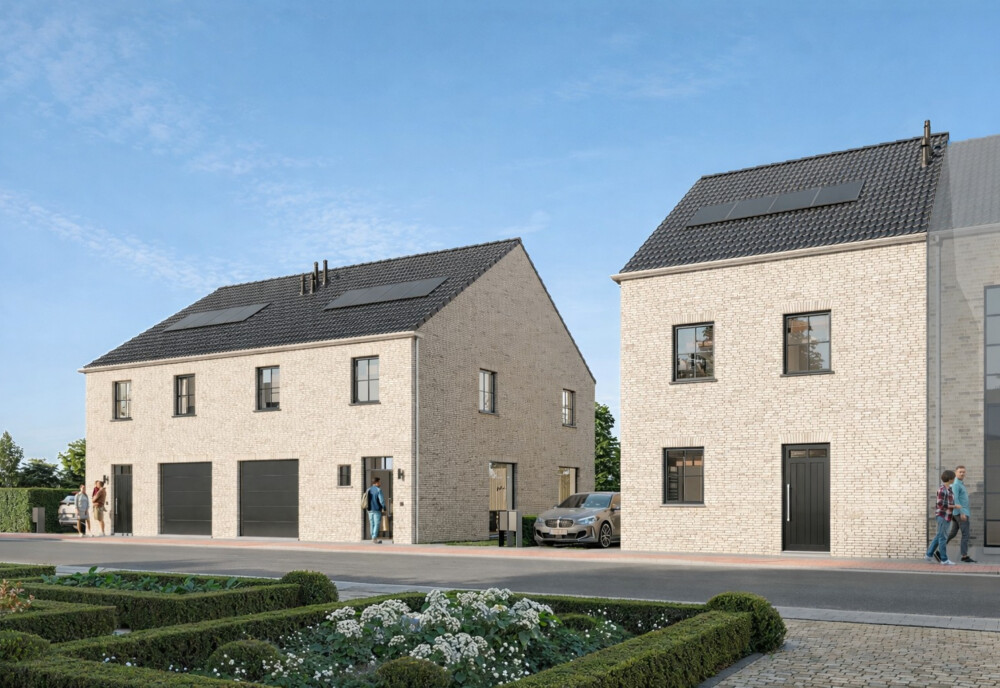
Denderleeuw. Wijngaardstraat
In the quiet Wijngaardstraat in Denderleeuw, three stylish semi-detached houses are being built. Thanks to energy-efficient techniques, these homes achieve a favourable E-level.
-
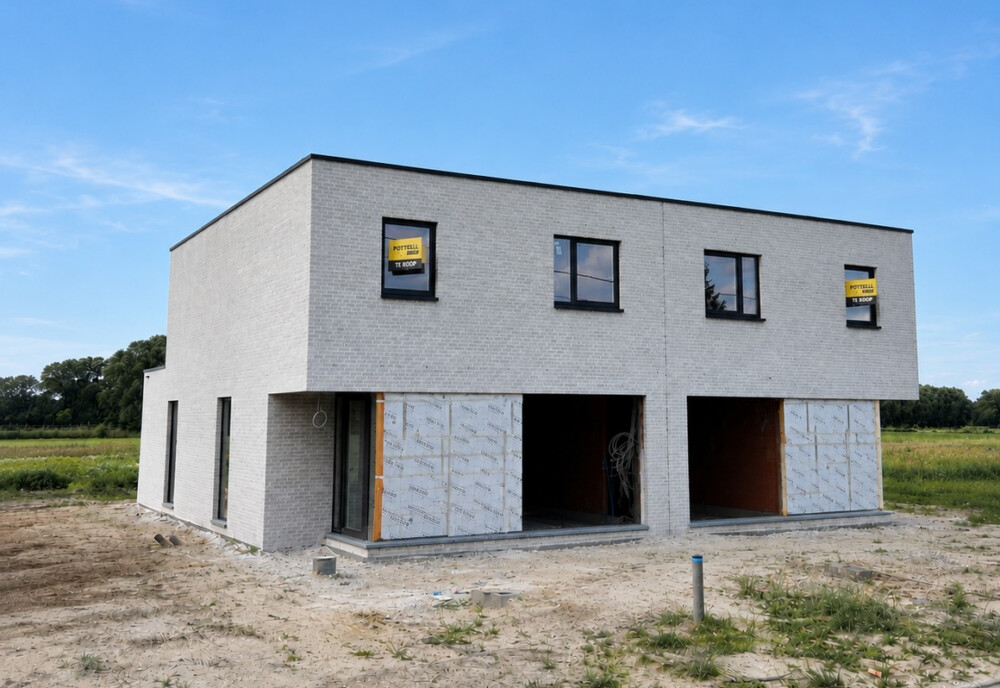
Wieze. Bontegem
In rural Bontegem, a charming sub-municipality of Wieze, Potrell is developing a small-scale new-build project of four semi-detached houses on plots of approximately 700 m².
-

Willebroek. Emiel Vanderveldestraat
Modern new-build houses in a green and family-friendly neighbourhood in Willebroek.
-
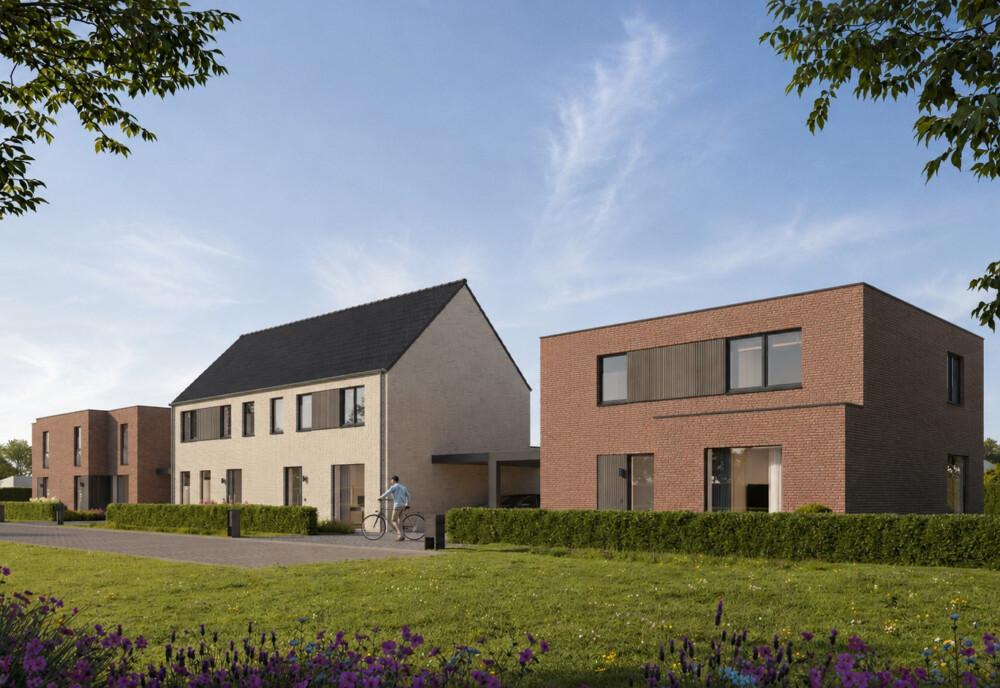
Wachtebeke. Plassenstraat
A modern new-build house in a rural location in Wachtebeke. This spacious home offers a high level of living comfort thanks to its open and functional layout.
-
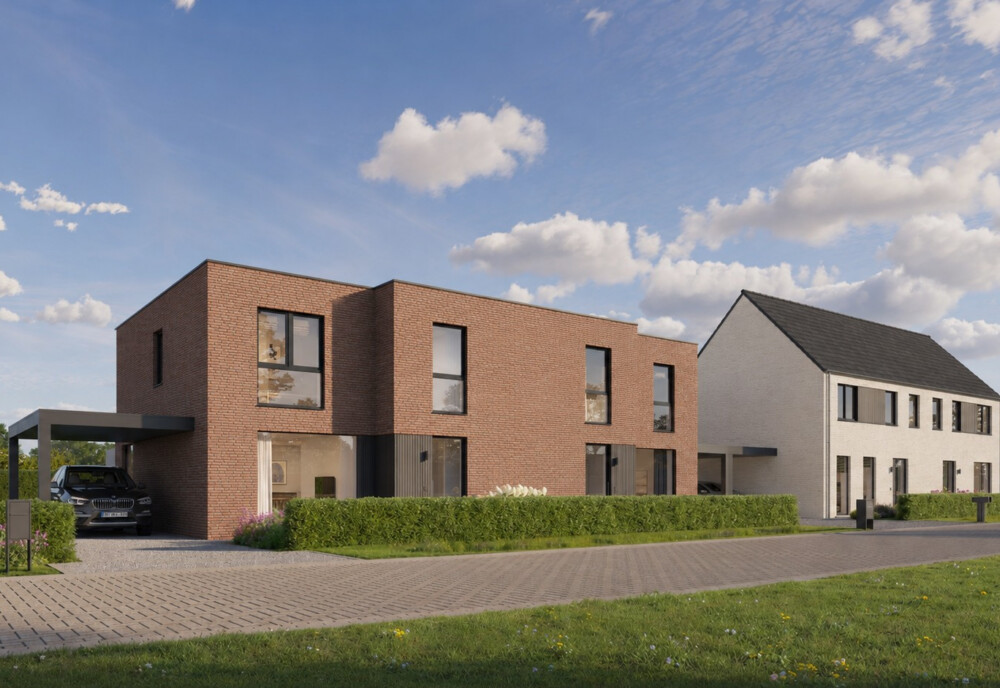
Wachtebeke. Plassenstraat
4 modern new-build houses in the pleasant and quiet town of Wachtebeke. This project consists of a varied mix of houses with both pitched roofs and flat roofs.
-
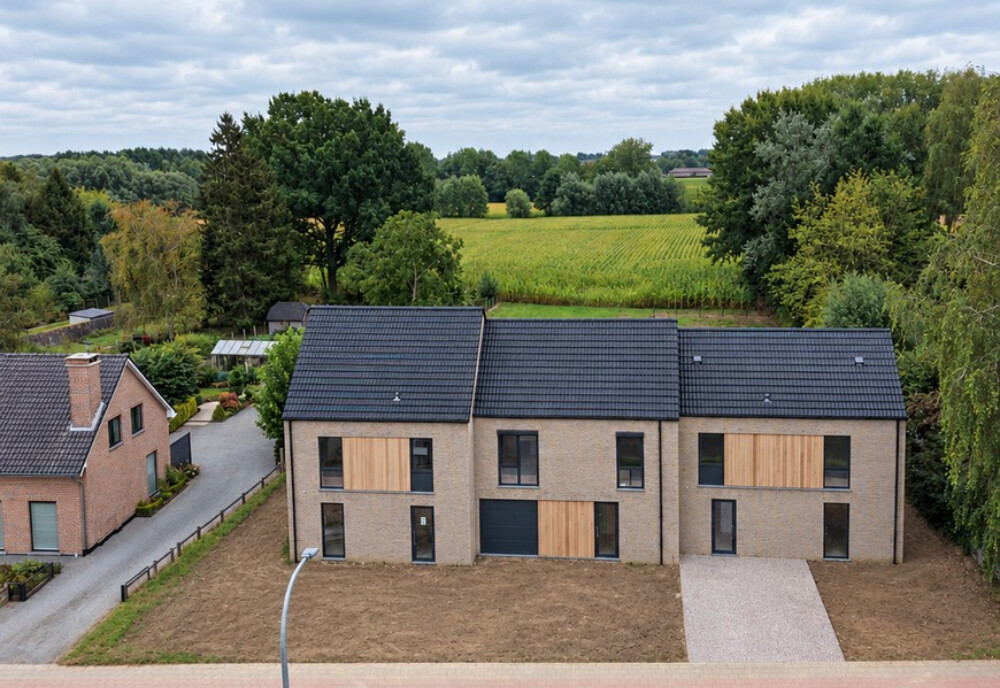
Opwijk. Steenweg op Aalst
3 new-build houses in a quiet setting in Opwijk with open views over the fields behind. You enjoy a rural living feel without compromising on accessibility.
-

Oostduinkerke. Polderstraat
This family home is located close to the village centre of Oostduinkerke and is accessible via a separate access road. The villa is situated on a land plot of no less than 1,361 m² and has a living area of 210 m².
-

Roeselare. Staakmolenstraat
Luxury villa with a versatile space suitable for a professional practice. This exceptional property is located in Rumbeke, on the border with Roeselare, within a stone’s throw of the Sterrebos.
-
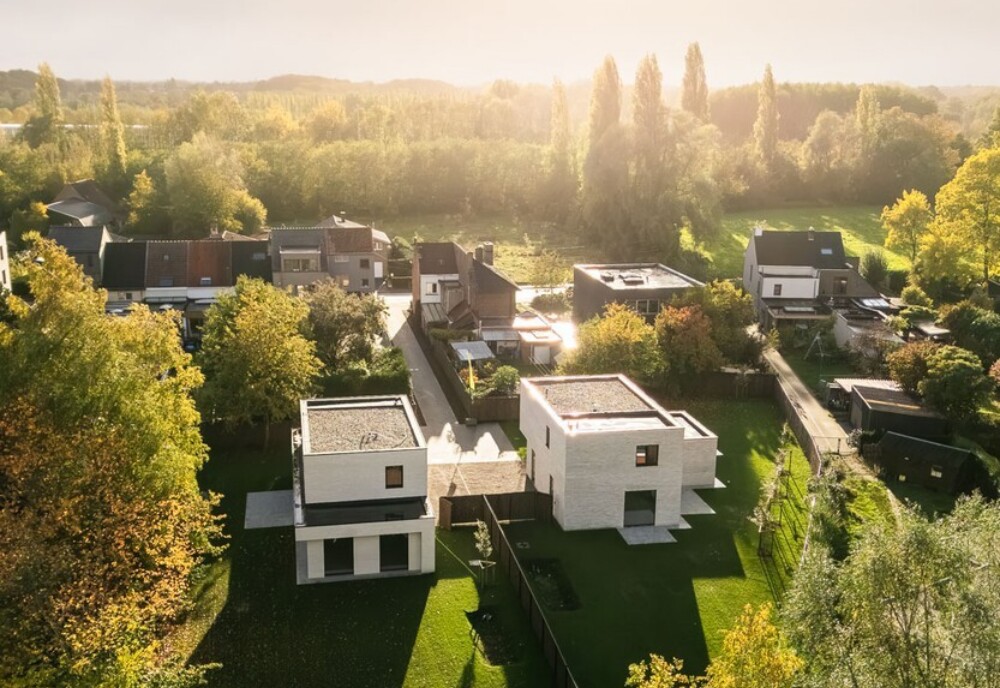
Zwijnaarde. Maaltemeers
This new-build villa is located on a very spacious land plot. The villa has been designed with attention to detail and a harmonious integration with the garden.
-
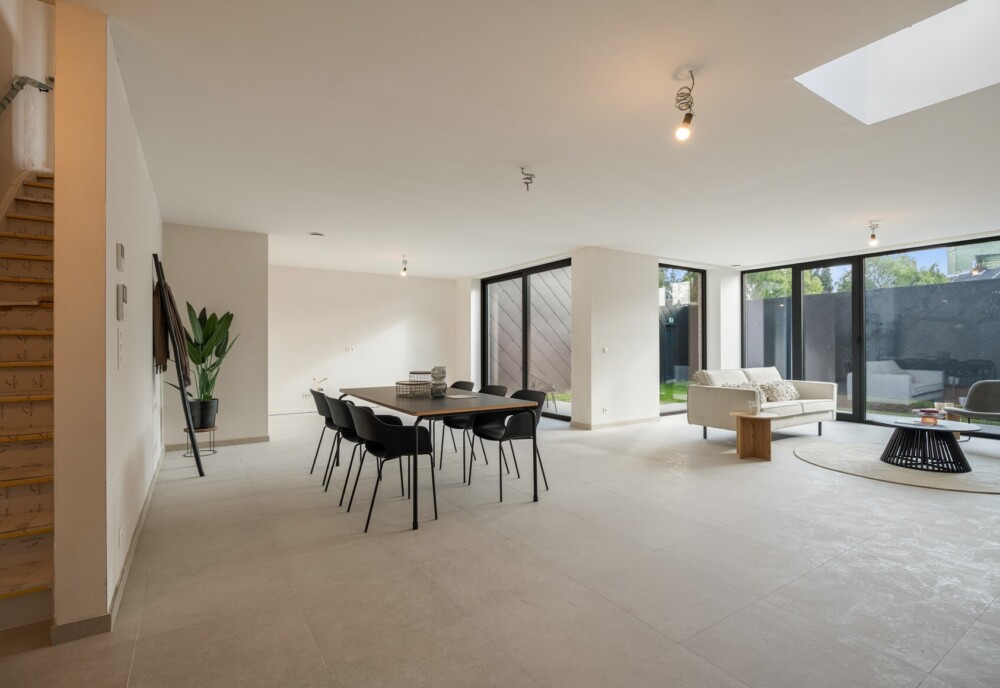
Gent. Muidepoort
6 flats City of Ghent Many facilities Good mobility Spacious terrace E-peil 30 ENVIRONMENT The location at Muidepoort offers a perfect balance between urban living and serene green surroundings. The proximity of parks, walking paths along the Leie and a wide range of shops and dining options make this an ideal place to live. Muidepoort is known for its cosy and dynamic atmosphere, making it an attractive residential area for both young professionals and families. Here, you enjoy the best Ghent has to offer, with easy access to the city centre and excellent public transport connections. LAYOUT Our flats offer a harmonious blend of space and light, with large windows that fill every room with natural daylight. The open living areas are perfect for both relaxation and entertaining, and the modern kitchens are equipped with the latest appliances. Each flat features one to three bedrooms, making them suitable for families, professionals and investors alike. The living areas of the flats range from 67 m² to 137 m². E-PEIL 30 Built with sustainability in mind, the flats are energy-efficient and equipped with a heat pump and solar panels. This not only results in lower energy costs, but also contributes to a greener future. Interested in this project? Get in touch with us today via info@potrell.be or call 09 394 67 95 and discover how you can become part of the vibrant new-build project Residentie Muidepoort, located at Muidepoort 46 in Ghent.
-

Brugge. Torhoutse Steenweg
This project offers 10 beautiful flats with modern comfort and an excellent location, easily accessible via the E403/E40 approach roads.
-
Ieper. Diksmuidseweg
Potrell is developing nine stylish flats overlooking the marina in Ypres. These flats are located close to the vibrant city centre.